
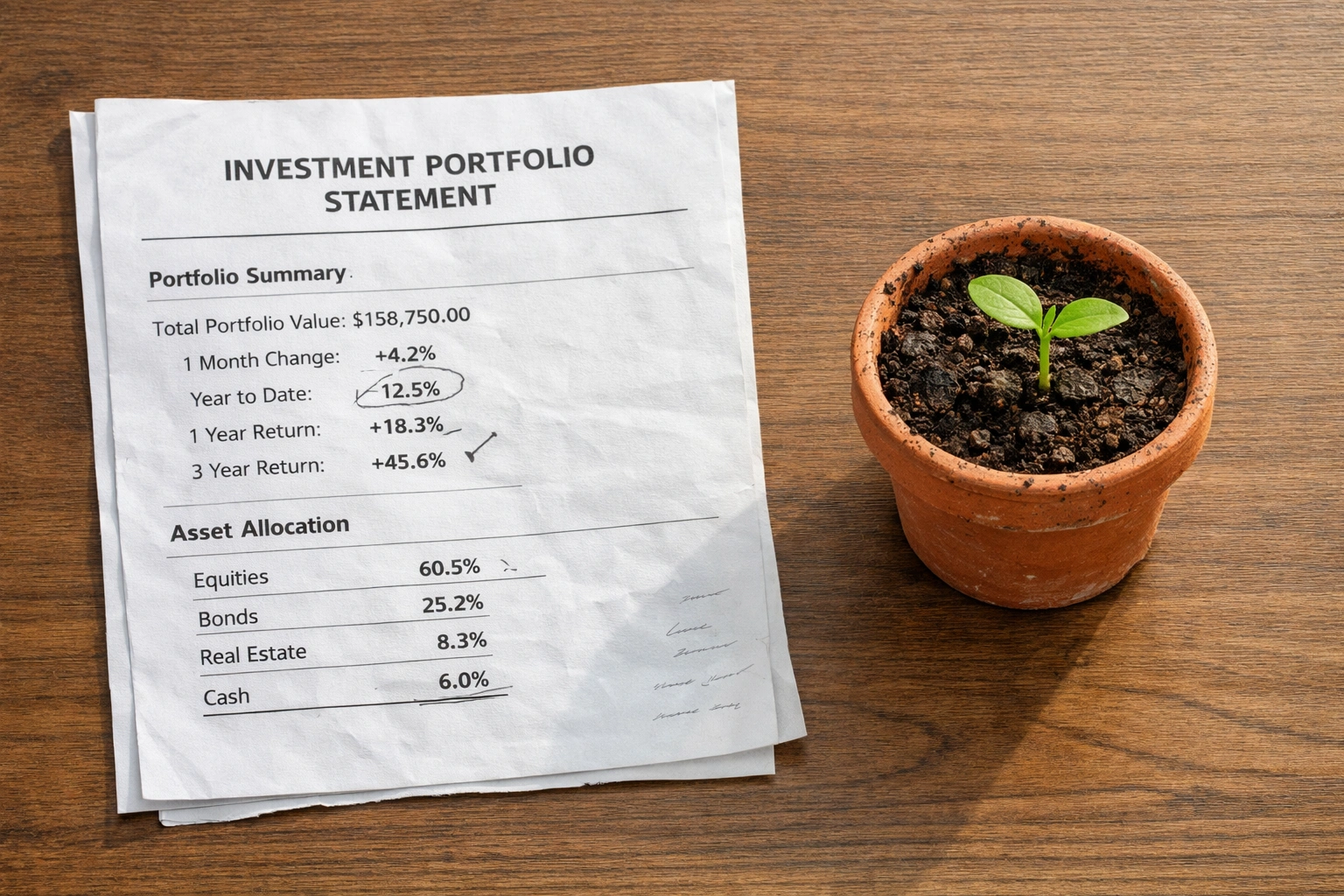
As an investor, you can either grow your wealth or fund solutions to problems you care about. Most assume that they have to pick one path or the other.
But that’s changing recently. A growing segment of investors now seeks returns while addressing climate change, healthcare access, and housing shortages through profit and purpose investing. The challenge is separating opportunities from companies that just slap “sustainable” on their marketing materials.
This guide explains how to balance profit and purpose in your portfolio. You’ll learn where impact capital flows, how to measure results beyond financial returns, and which risks to watch when combining wealth-building with real-world change.
Let’s start with what this approach means for your money.
What Profit and Purpose Investing Means for Your Money
Profit and purpose investing means putting your money into businesses that solve real-world problems while still generating returns. Instead of choosing between impact and profit, the goal is to achieve both through the same investment.
Take a fund building affordable apartments in underserved neighborhoods, for example. A $10,000 investment helps construct housing, and when tenants pay rent, you earn dividends. That way, you’re both supporting communities and growing your money. The same principle applies to other sectors like clean energy or healthcare access as well.
But not every company claiming impact actually delivers. Some publish polished sustainability reports while their core practices remain unchanged. That’s why investors need to focus on measurable results, not just marketing language about impact.
Making the Decision: Weighing Values Against Returns
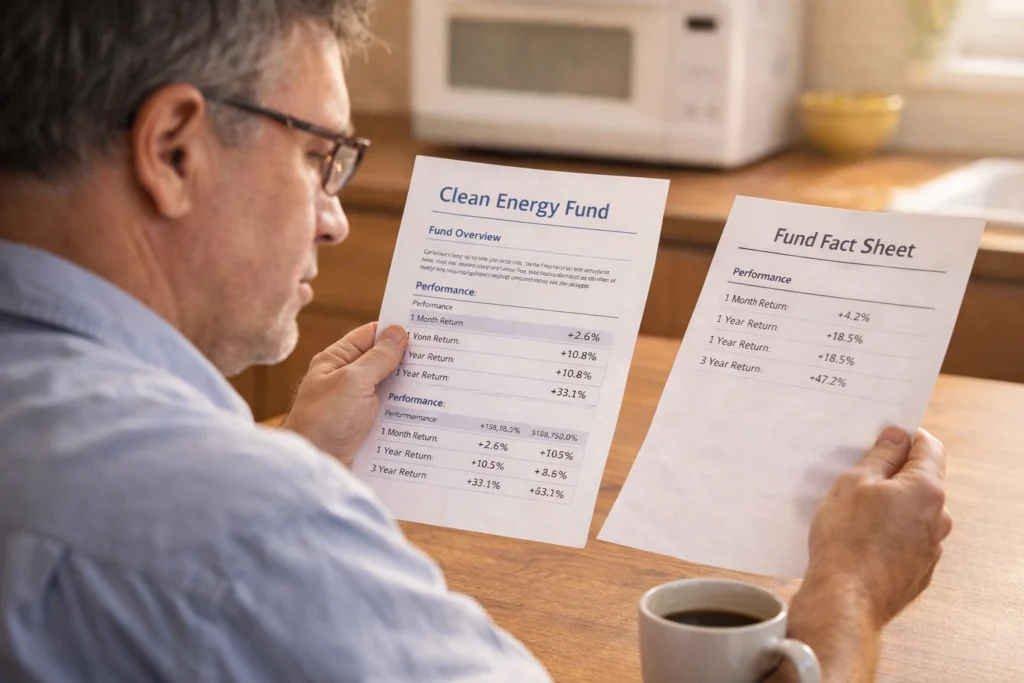
You want your portfolio to reflect your values, but you also need it to fund your retirement.
To balance both, you need to figure out whether the causes you care about (climate solutions, affordable housing, healthcare access, etc.) offer investments that can grow your money at competitive rates. In many cases, they do. Clean energy funds, for instance, have often tracked closely with broader market returns over the past decade.
But not every impact sector performs the same way. When returns fall short, you’re choosing between two things: accept the gap and focus on impact, or skip it and look for options that deliver both.
Some investors are fine with slightly lower returns if the cause is important enough to them. Others won’t compromise on their financial goals. It comes down to how much flexibility your situation allows.
How Impact Capital Works Across Different Sectors
Impact capital flows to sectors where private investment can address social challenges while still generating measurable financial returns. These opportunities tend to fall into two main areas:
- Social finance projects that support underserved communities
- Affordable housing developments
Let’s break down how each one works.
Social Finance and Private Equity Opportunities
Social finance connects your investment dollars to businesses solving problems in low-income communities, like clinics, job training programs, or small business loans in areas traditional banks often overlook.
These investments usually lock up your money for a decade or longer while the businesses scale and start delivering returns. The longer timeline gives these companies room to grow sustainably instead of chasing quick profits that could pull them away from their mission.
Affordable Housing Investments
Affordable housing projects work by collecting rent from tenants and paying returns to investors. Think of it like owning a rental property, except the units are priced for families who can’t afford market-rate apartments. This model works especially well in high-demand cities like San Francisco, Boston, and Austin, where affordable units stay occupied year-round.
You can access these investments through real estate funds specializing in affordable housing, or work with community lenders that finance the developments directly. Either way, you’re earning rental income while helping families find homes they can actually afford.
Measuring Success: ESG Metrics in Responsible Investment
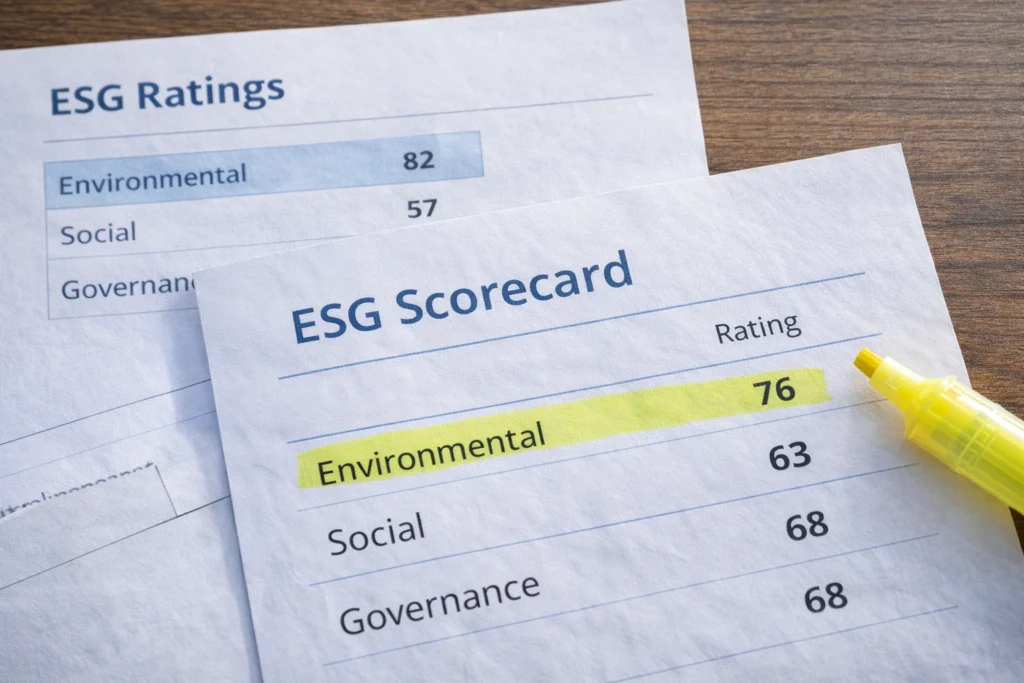
ESG metrics are a form of impact measurement. They work like a report card, grading companies on how they treat the environment, their workers, and how responsibly they run their operations. These scores come from independent rating firms and help investors compare companies.
Here are the three areas ESG ratings focus on:
- Environmental Impact: This measures a company’s carbon emissions, waste management, and resource use. For example, you can compare Ford’s emissions reduction progress against Toyota’s hybrid technology investments to see which aligns better with your climate priorities.
- Social Practices: You can’t judge how a company treats workers or manages supplier relationships without looking at social metrics. These scores reveal the gap between Costco’s employee benefits and Amazon’s warehouse conditions, helping you invest in companies that match your labor standards.
- Governance Standards: Bad leadership can sink even a profitable company. Governance metrics show you board diversity, how executives get paid, and whether the company operates transparently. This helps you steer clear of businesses that might blow up from scandals or messy decision-making.
One thing to keep in mind: rating firms often score the same company differently. That’s why you should check two or three sources before investing.
Common Risks in Socially Responsible Investing
Even well-intentioned impact investments come with risks. So before committing your money, consider these:
- Greenwashing: Companies slap terms like “ethical” or “sustainable” on their marketing without backing it up with verified data. No wonder 77% of investors don’t trust companies to deliver on those promises, no matter how good the marketing looks.
- Limited Investment Options: When you focus on specific impact sectors, you’ve got fewer choices to pick from. That makes it tougher to spread your money around, and if one sector tanks, you feel it more.
- Higher Management Fees: Investment managers who track both financial returns and social outcomes charge more for the extra work. They need to verify outcomes, check third-party audits, and monitor ongoing progress (stuff regular fund managers usually don’t bother with).
Ultimately, it comes down to doing your homework. Make sure you check for verified impact data, reasonable fees, and enough diversification to protect your portfolio.
Why More Investors Are Choosing Purpose-Driven Portfolios

A Morgan Stanley survey found 88% of investors globally now express interest in sustainable investing, with younger generations showing even stronger interest in aligning money with values. Banks and investment firms are responding by adding more impact funds and showing clients exactly where their money goes.
The same survey also found that over 80% of investors believe it’s possible to earn financial returns while creating positive environmental or social outcomes. In other words, you don’t have to pick one over the other anymore.
As more evidence shows that purpose-driven portfolios can match market performance, the old assumption is fading. Investors are realizing they can build wealth and fund solutions to problems they care about through the same investments.
Start Building Your Impact Portfolio Today
You don’t need millions or a finance degree to invest with purpose. Pick two or three causes you care about, then look for funds with transparent impact reporting in those areas.
Start by shifting 10-20% of your portfolio toward impact investments. This lets you see how they perform while keeping most of your money in traditional holdings. As the results come in, you can adjust your strategy based on what delivers both returns and measurable outcomes.
Ready to take the next step? Contact us to discuss investment options that align with your financial goals and values.