

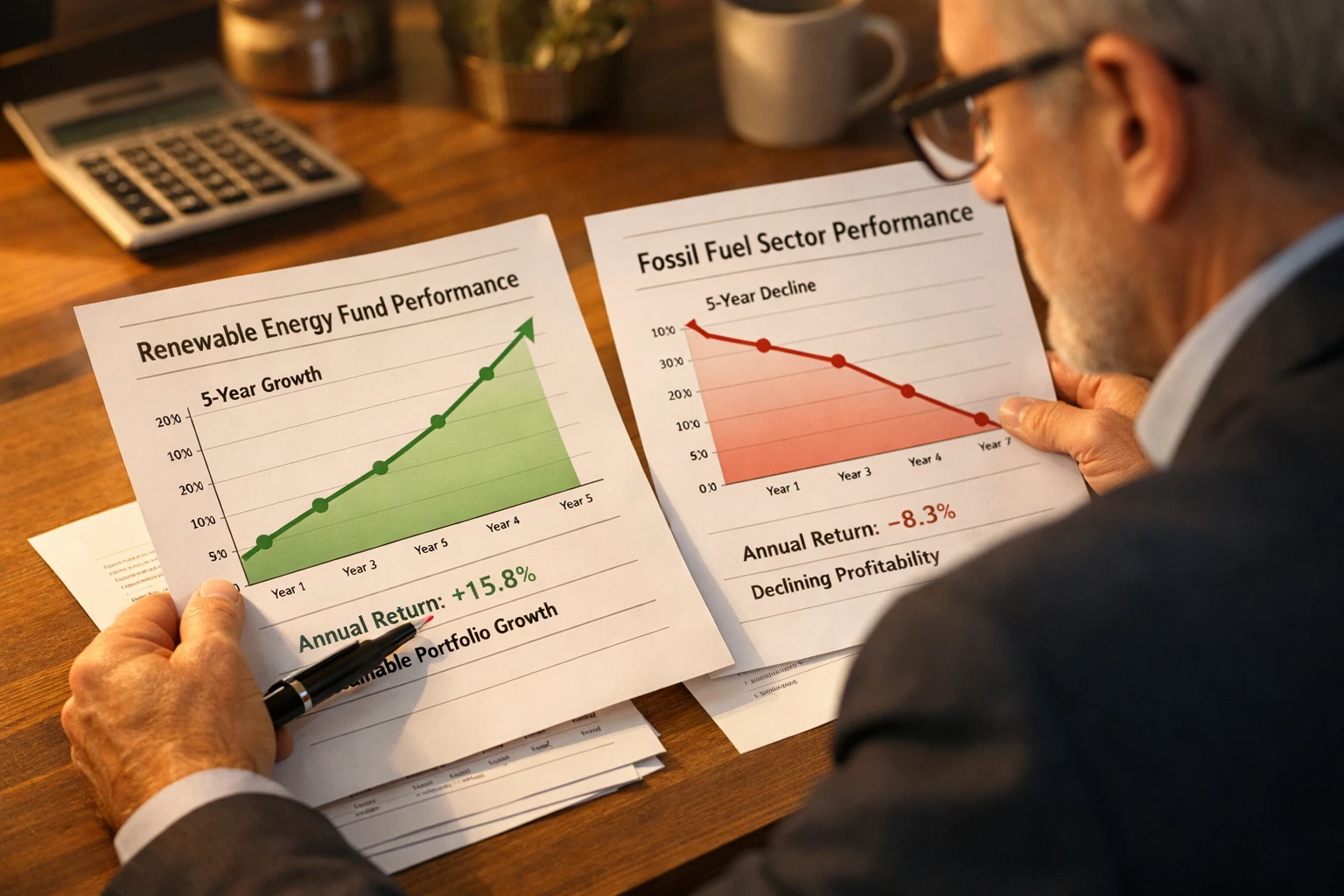
Investors are directing more capital toward purpose-driven projects because these investments increasingly deliver competitive financial returns. This trend isn’t just about branding or regulation. In many cases, companies that manage climate and social risks are proving more resilient and efficient than their traditional counterparts.
That change is already visible across several industries. Today, renewable energy projects win contracts because they’re cheaper, not because of subsidies. Companies with local supply chains are also outperforming global competitors when disruptions hit.
In this guide, we’ll look at the forces pushing capital toward purpose-driven investments. You’ll see why returns in these sectors are improving, where investors are placing their bets, and what to look for when evaluating impact-focused opportunities.
Let’s dive in.
Impact Investing Trends Follow Returns, Not Ideals
Impact investing is expanding because investors now evaluate these opportunities through financial performance rather than mission statements. For example, five years ago, advocates often promoted these projects by focusing on environmental or social impact. Today, the conversation usually starts with financial data, such as how climate risk affects earnings or how better employee retention lowers hiring costs.
This development has opened the market to more participants. For instance, pension funds and insurance companies that once avoided impact-focused ventures are now allocating billions because the investments fit within traditional financial models.
Their boards review these opportunities the same way they evaluate any other asset purchase. That means broad commitments to social good carry less weight than measurable financial outcomes.
Sustainable Investment Beats Fossil Fuels on Cost

Sustainable investment in renewable energy is outpacing fossil fuel projects because clean energy now offers lower costs and competitive returns. Energy companies know this and are shifting capital toward solar and wind. Two factors are driving this change: falling production costs and rising climate risk.
Solar and Wind Costs Dropped Below Fossil Fuels
Thanks to manufacturing scale and technology improvements, solar and wind energy now cost far less than coal or natural gas in most regions. In fact, solar and wind made up 88% of new U.S. capacity in 2025, with solar leading for 28 consecutive months. No wonder traditional energy companies are redirecting capital toward renewables.
Climate Change Risk Reprices Every Asset Class
Fossil fuel investments carry hidden costs that renewable energy avoids. For example, oil refineries, coal plants, and gas pipelines are exposed to floods, storms, and other extreme weather that can damage infrastructure and drive up insurance premiums.
And by 2050, infrastructure portfolios exposed to climate risks could lose an average of 27% of their value. These risks are much lower for renewable energy projects, which makes them cheaper to insure and maintain over the long term.
Generational Wealth Drives Capital Toward Social Impact
An estimated $124 trillion will transfer to younger generations over the next two decades. Younger investors set to inherit this wealth are already changing how capital gets allocated. They prioritize different risk factors when building portfolios, shaped by exposure to climate volatility and rising inequality.
For them, a company ignoring environmental issues or labor practices creates financial risk. Such issues can lead to strikes, turnover, regulatory fines, and rising insurance costs. That’s why younger investors often analyze these factors the same way previous generations studied profit margins.
This shift is already showing up in fund flows. A Morgan Stanley survey shows strong interest in sustainable investing among younger generations, with 99% of Gen Z and 97% of Millennials expressing interest. These investors look for funds that track carbon emissions, worker safety, community impact, and diversity metrics alongside profits. Their demand reflects a need for complete risk visibility before committing capital.
AI Tracks Which Climate Risks Hit Your Portfolio
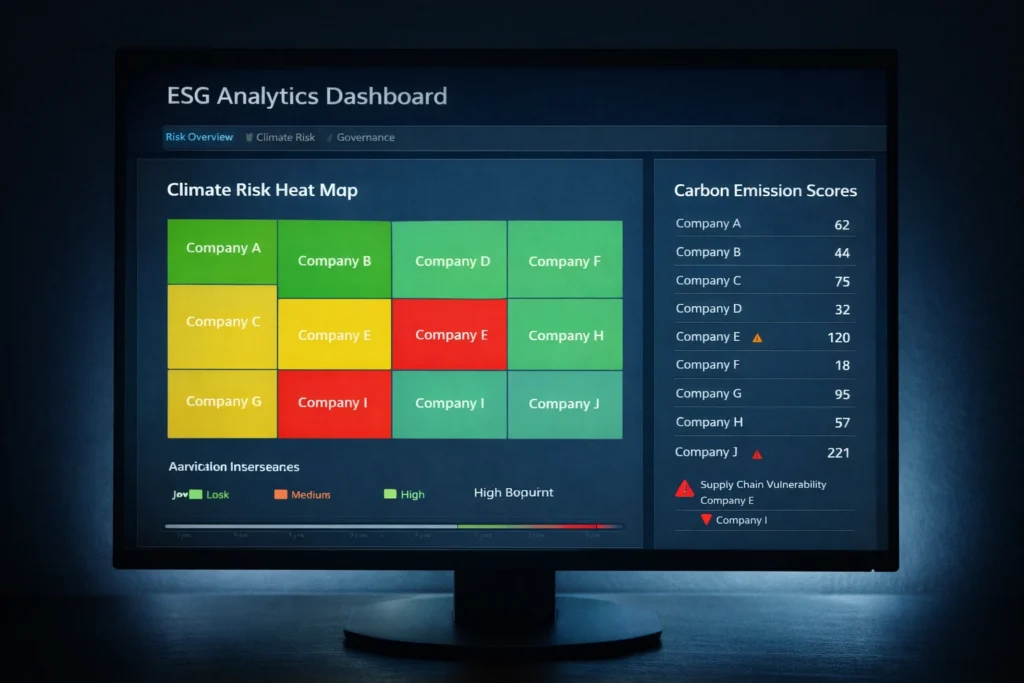
The days of waiting for quarterly earnings reports to reveal climate damage are over. AI tools now let you spot climate, water, and supply chain risks in your portfolio before they affect stock prices. Platforms like MSCI ESG Analytics and SustainalyticsAI also track carbon emissions and labor practices, giving you a full picture of ESG vulnerabilities.
Even better, AI makes impact measurement more accurate and helps you build portfolios that account for climate-related risks. And accurate data leads to better decisions about which businesses can withstand environmental disruptions.
Four Areas Getting the Most Sustainable Investment Capital
Impact money is spreading everywhere, but four areas are getting the biggest checks because you can track what your money does. Here’s where capital is concentrating:
- Employee Ownership Transitions: Thousands of small businesses are changing hands as Baby Boomers (people born roughly between 1946 and 1964) sell to employees through ESOPs instead of private equity firms. This creates worker wealth while keeping businesses rooted in their communities.
- Regional Supply Chains: Investment is moving toward companies with local or regional operations as a hedge against global disruption. These businesses also reduce transport emissions and strengthen local economies, with impact tracked through stability, carbon output, and job creation.
- Impact Infrastructure Funds: Government-backed systems in countries like Brazil, Turkey, and Japan are channeling institutional capital into social enterprises. This structure lowers risk for large investors while ensuring funding reaches projects with clearly defined social or environmental outcomes.
- Outcome-Based Financing: With outcome-based financing, money is released only after agreed-upon results are achieved. It’s gaining traction in climate and social programs, where payments depend on verified results measured against transparent, predefined metrics.
These are the areas where your money actually makes a measurable impact, so focus on them.
Government Infrastructure Expands Access to Impact Investing
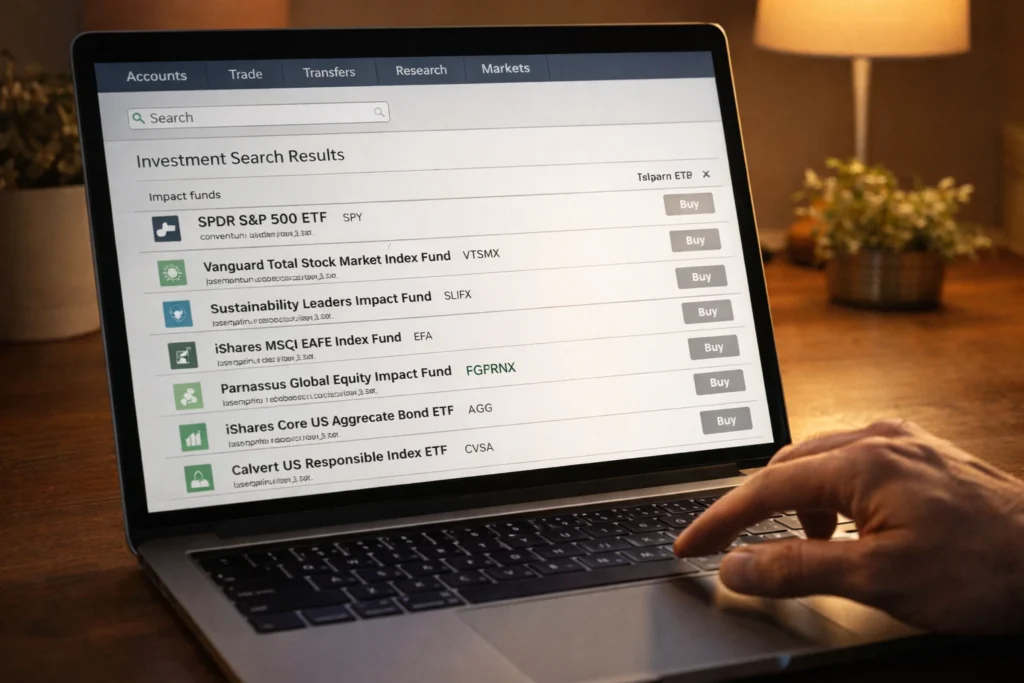
In the past, impact investing meant working with boutique specialty firms. Now governments are building legal frameworks that let mainstream brokerages offer these investments alongside traditional funds.
Countries are introducing dedicated structures to support this model. Take Germany, for instance. It’s building national infrastructure to connect institutional capital with social and environmental projects through public-private collaboration. These programs reduce risk for conservative investors who previously avoided impact opportunities.
The result is wider access. You can now buy impact funds through the same platforms you use for exchange-traded funds or index investing, without needing a specialized advisor. Opportunities that once required insider access are now available through your brokerage account.
Put Your Money Where the Momentum Is
Capital is moving toward investments that deliver measurable impact alongside financial returns. These opportunities are now accessible through the same platforms used for mainstream investing.
When evaluating funds, look for those that publish both impact data and performance metrics. You should be able to see what your money supports, how results are measured, and whether outcomes match your objectives.
If you want to build a portfolio around these trends, Social Investment Taskforce can help. Reach out to identify where your capital can deliver measurable impact.