
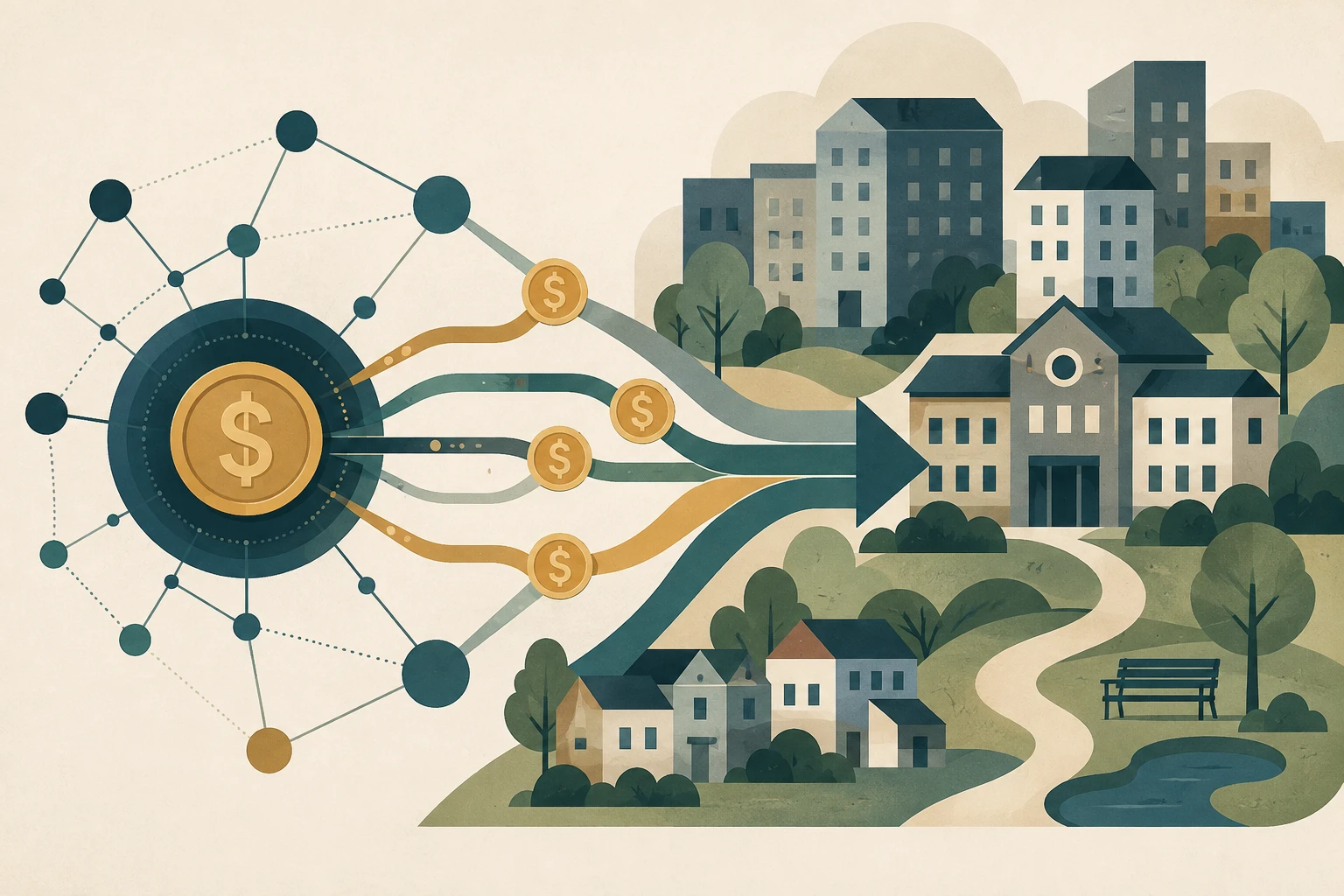
As a charity, you need three things ready before seeking social investment: a solid financial history, evidence of your impact, and clear governance. Without them, investors have little basis for judging whether you can manage their money responsibly.
Unfortunately, many charities make the mistake of pitching their cause with passion but no paperwork to back it up. But let’s be honest. The people holding the money have no reason to take a risk on you unless you have evidence to back up what you’re asking for.
This article walks you through exactly what evidence to prepare, so you don’t make the mistake of approaching investors without it. You’ll learn what financial and impact evidence investors expect, where charities usually fall short, and how to build a stronger case before you apply.
Financial Evidence Impact Investors Want to See
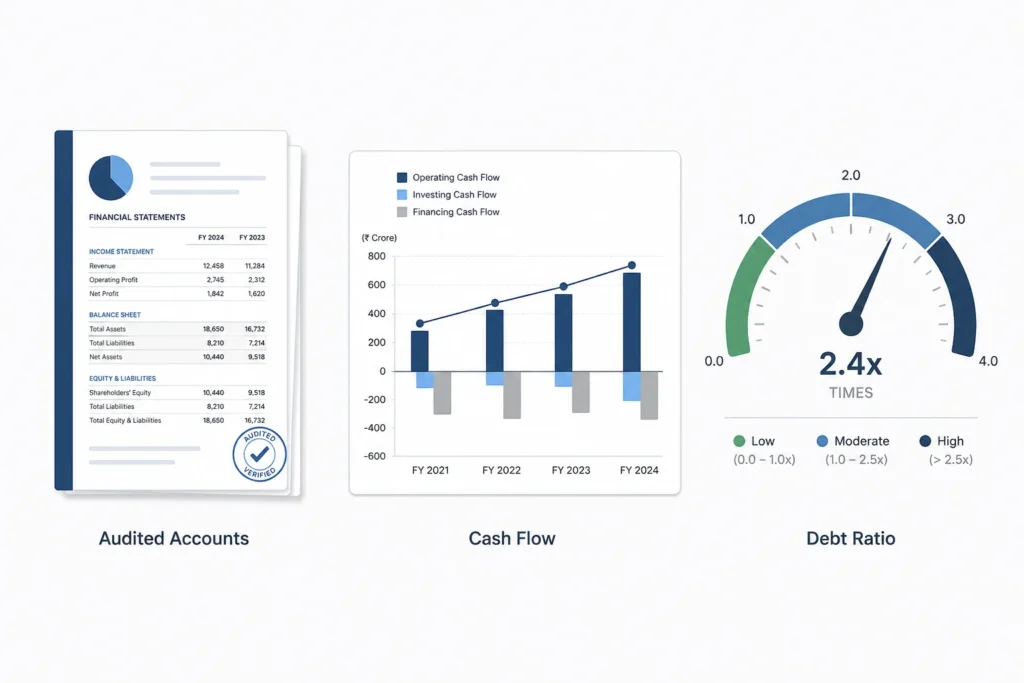
When you pitch for social investment, your financial records are one of the clearest ways to show that you’re a responsible steward of money.
At a minimum, you’ll want three types of evidence ready: your financial history, a realistic forecast, and proof that you can repay the investment. We’ll cover each one below.
Financial Statements
Investors typically want two to three years of audited or independently reviewed financial statements before funding. These statements help investors see how your charity has managed its money over time. In particular, they look at whether your income is consistent, your expenses are under control, and whether there are any unexplained gaps or losses.
This isn’t unique to charities, either. Banks and other lenders look at similar financial records when assessing whether a borrower can handle new debt.
Cash Flow and Forecasts
A 12- to 24-month cash flow forecast shows when you expect money to come in and when it needs to go out. Investors use this to assess whether you’ll have enough cash to cover your day-to-day costs and meet your repayments after receiving the investment.
That means your forecast needs to reflect what is likely to happen rather than what you hope will happen. Build it around realistic figures and account for seasonal changes, funding gaps, and any large expenses you already know about.
For example, if your charity relies heavily on holiday donations, show that increase in income rather than spreading it evenly across the year.
Repayment Capacity
Before committing funds, investors often compare the cash your charity has available with its loan payments. This is called a debt coverage ratio, and it shows whether you can repay without cutting into day-to-day operations. In simple terms, the ratio compares the cash available for debt payments with the amount you owe.
A higher ratio makes your charity a stronger candidate for funding, since it shows more cash available beyond what’s owed.
Impact Evidence That Proves Your Mission Works

Financial evidence proves you can manage money. Impact evidence proves the money is worth managing in the first place. Here’s what that evidence usually includes:
- Outputs: These are the activities you deliver, like the number of people housed, trained, or fed. They’re easy to count, but they only show what you did, not what changed because of it.
- Outcomes: Investors want to see what actually changed for the people you support. This might include people finding stable jobs, staying housed long term, or reporting better health, tracked consistently over time.
- Attribution: Just because 70% of participants found housing after your program doesn’t mean your program caused it. Investors know the difference, and they’ll ask how you connect the two. You can use a comparison group or a before-and-after survey to show clearly that your program contributed to the result.
If your outcome data is thin, be honest about it and show how you plan to improve it. From our experience, investors are more likely to trust a charity that acknowledges gaps than one that makes claims its evidence can’t support.
Governance and Organizational Readiness
You might find this surprising, but having your finances and impact evidence in order isn’t always enough. Your board can still be the reason an investor hesitates, especially if responsibilities are unclear or no one has the financial expertise to oversee the investment.
Think about what happens once the money arrives. Like who has the authority to approve spending, and who checks that the investment is being used as planned? Investors need clear answers before they commit. That’s why it’s important to have at least one board member with relevant financial or sector expertise who can help oversee the investment.
The same applies to your financial controls. One person shouldn’t be able to approve and spend money without any checks. To prevent that, set spending limits and require sign-off for larger expenses.
You should also have your accounts reviewed regularly by someone outside the day-to-day management of the charity.
Your track record gives investors another reason to trust you. Look at the funding you’ve managed before. If you’ve used it as promised, submitted reports on time, and followed the conditions attached to it, that history speaks for itself.
Where Charities Usually Fall Short
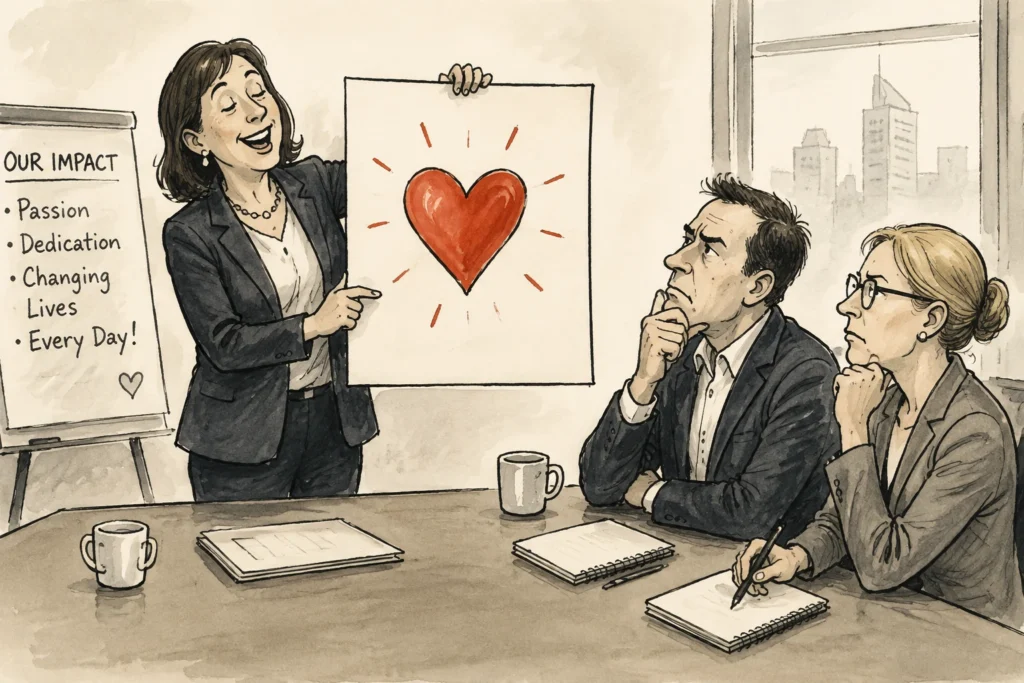
The most common thing we see is a charity applying too early. Their mission is strong, but the evidence behind it isn’t ready. Maybe the forecast doesn’t exist yet, or the board hasn’t sorted out who signs off on spending. So they get turned down.
The good news is that you can fix these issues once you know what to look for. In practice, we tend to see the same gaps come up:
- No Audited Accounts: Charities below the audit threshold may not have audited accounts. That doesn’t automatically rule you out, but it can leave investors with less independent financial evidence to assess.
- Outputs Mistaken for Outcomes: You might know exactly how many people you’ve supported, but that only tells investors what you delivered. Without evidence of what changed for those people, it’s harder for them to assess the impact of your work.
- No Clear Repayment Plan: Wanting the investment is one thing. You also need to show where the money to repay it will come from. If you can’t answer that clearly, they’re likely to question whether the investment is viable.
If you notice any gaps in your preparation, don’t worry. You don’t have to have everything perfect before you seek social investment. Take a little more time to address the weak spots, and you’ll be in a much stronger position when you approach investors.
How to Get Your Evidence Investment-Ready
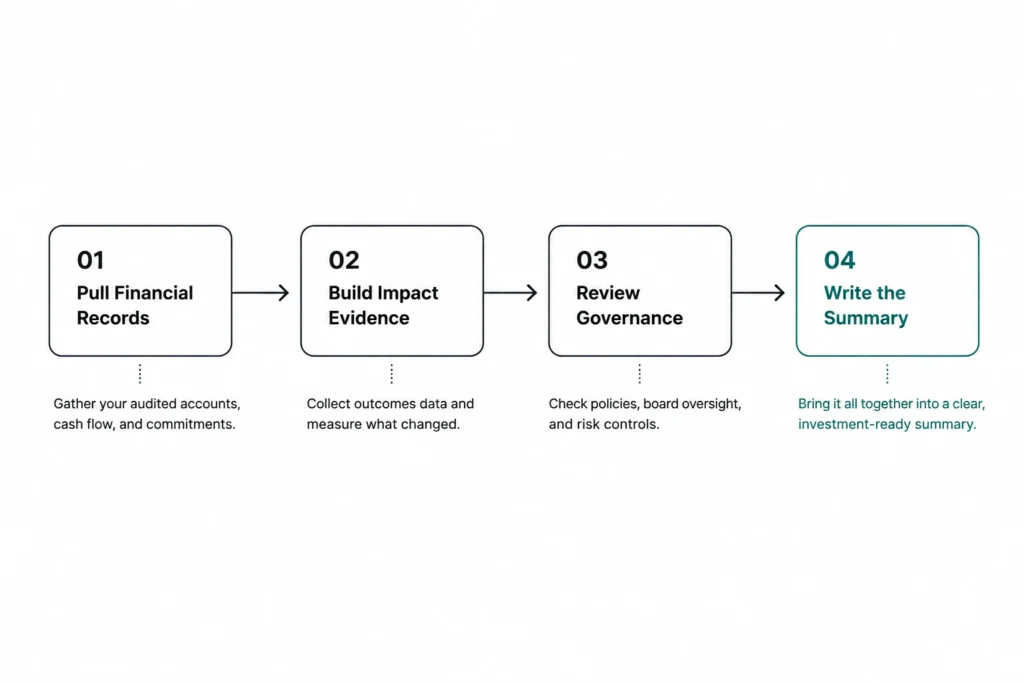
The goal is to package what you already have into a form investors can quickly evaluate.
Start with your finances. Pull together the last three years of accounts and produce a cash flow forecast for the next 24 months. For unaudited accounts, consider whether an independent review would strengthen your application.
Most importantly, identify where the money to repay the investment would come from and document it clearly before you approach an investor.
Next, review your impact evidence. Audit what you’re already collecting. Most charities gather more data than they realize. The question is whether you’re storing, analyzing, and presenting it clearly enough to show what changed as a result of your work. When outcome data is genuinely missing, put a simple measurement process in place now rather than promising to collect it later.
Then look at your governance. Review your board’s composition, responsibilities, and activity honestly. If there are gaps in financial expertise, oversight, or engagement, address them before you apply.
Finally, bring everything together in a clear written summary. Explain what your organization does, who you serve, and what you’ve achieved so far. Then cover your financial position and what you want the investment to fund.
Investors receive a lot of applications, so a well-organized summary that answers their key questions upfront makes your case easier to assess.
Build a Stronger Case for Investment
Getting investment-ready takes time, but the work you put into preparing your evidence can strengthen your organization regardless of whether an investment follows. Better financial records, clearer impact data, and stronger governance can all help you make better decisions as you grow.
Not sure whether your charity is ready for social investment? The Social Investment Taskforce can help you assess your evidence, identify gaps, and work out what to strengthen before you approach investors. Get in touch with the team to discuss where you stand.
Frequently Asked Questions
If you’re still weighing up your options, you may have a few questions about how social investment works in practice. These quick answers cover some areas we haven’t discussed above.
What is social investment for charities?
Social investment for charities provides funding that is expected to generate a financial return while helping the organization achieve its social or environmental goals. It can take different forms, including loans, bonds, or other financial instruments.
Can charities use impact investing to support environmental projects?
Yes. Impact investing can help charities fund projects with measurable social or environmental impact, such as renewable energy, climate change initiatives, or programs that deliver environmental benefits. You just need to show the intended impact and explain how the funding will be used.
Do charities need to generate revenue to attract impact investors?
Not necessarily, but having a reliable source of revenue or income can strengthen your case. Impact investors still need to understand how their capital will be repaid and what financial returns they can reasonably expect.
Can charities invest in mutual funds or other investment vehicles?
Yes, depending on the charity’s investment strategy, governing documents, and fiduciary responsibility. Some charities use mutual funds, bonds, or other investment vehicles to manage their assets. But they should consider the level of risk and whether the investment supports their wider objectives.